Introduction
Confused about what back order meaning actually is in 2026?
You’re browsing Amazon, find the perfect deal, hit “Buy Now”… and boom.
“Available on back order” pops up.
No delivery date.
No clear answer.
Just confusion.
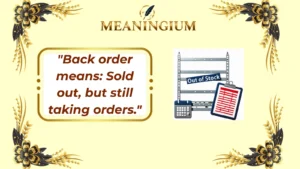
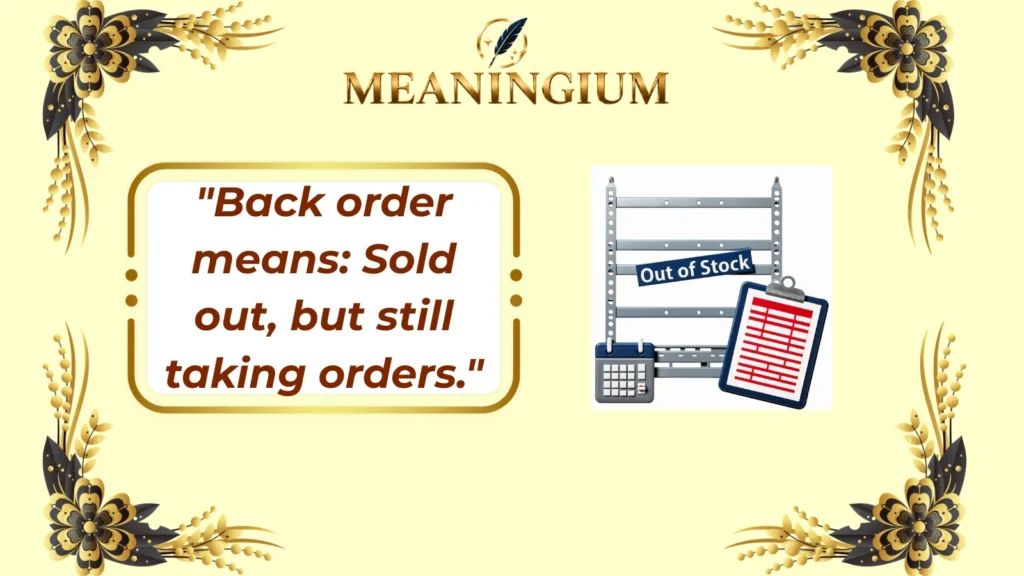
Here’s the real back order meaning: It means the item is currently sold out, but the store is still taking orders.
They’ll ship it to you once new inventory or stock arrives from the supplier.
Sounds simple.
But here’s why it’s dangerous in 2026:
Back order delivery times aren’t fixed.
Some sellers ship in 48 hours.
And the worst part?
Most stores won’t tell you if it’s worth the wait.
In this powerful 2026 guide to back order meaning, you’ll learn:
- What back order meaning is vs out of stock vs preorder – no more confusion
- How to predict exact delivery times before you pay
- When buying a back-ordered item saves you money – and when it’s a trap
- How to avoid delays, cancel safely, and get refunds fast
If you’ve ever lost money or time on a back order, this guide will fix that. Let’s decode back order meaning once and for all.
What Does Back Order Mean? [2026 Definition]
A back order means a product is temporarily out of stock, but the retailer expects to receive more inventory soon. Instead of preventing customers from purchasing the item, the seller allows orders to be placed and ships them once new stock arrives.
In simple terms, a back order means:
- The item isn’t currently available.
- The retailer has ordered more inventory.
- Your purchase remains active.
- The order will be shipped as soon as stock is replenished.
Unlike discontinued products, back-ordered items are still available for sale they’re simply waiting for new inventory.
Simple Definition
Back order meaning: A product that customers can purchase even though it’s temporarily unavailable because the seller expects to restock it soon.
Quick Example
Imagine you’re buying a wireless keyboard.
Instead of displaying “Out of Stock,” the website says:
Available on Back Order
This means you can still complete your purchase, but shipping will be delayed until the retailer receives additional inventory.
Origin of the Term Back Order
The term back order has been used in retail and inventory management for decades.
Before online shopping became popular, physical stores kept records of customer requests whenever a product sold out. Those pending orders remained “on the books” until fresh inventory arrived. Over time, this process became known as a back order.
Today, advanced inventory systems automatically place products on back order whenever stock reaches zero but suppliers have already confirmed incoming inventory.
You’ll commonly see this term used in:
- Online shopping websites
- Retail businesses
- Wholesale companies
- Warehouses
- Manufacturing industries
- eCommerce platforms
Although technology has changed, the meaning has remained the same: customers can still order the product while waiting for it to be restocked.
Why People Search for Back Order Meaning
Many shoppers search for the back order meaning because they encounter the term during checkout and want to know what it means before completing their purchase.
Some of the most common questions include:
- Will I still receive my order?
- How long does a back order usually take?
- Has my payment already been processed?
- Should I cancel my order?
- Is a back order the same as being out of stock?
- Can I trust the retailer?
These concerns are understandable because waiting for an order can be frustrating. However, in most cases, a back order simply means the seller expects additional inventory soon and plans to fulfill your order as quickly as possible.
How to Use Back Order Correctly
Unlike internet slang or chat abbreviations, back order is primarily used in shopping, business, logistics, and customer service conversations.
You’ll often encounter this term while shopping online or communicating with retailers.
Online Shopping
“I ordered the headphones even though they’re on back order.”
Customer Support
“Your item is currently on back order and will be shipped once new inventory arrives.”
Business Communication
“Our supplier has placed the remaining units on back order.”
Warehouse Operations
“The warehouse is waiting for additional inventory to fulfill all back orders.”
Social Media
“My new gaming console is on back order. Hopefully it ships next week!”
When Should You Use the Term?
Use back order when:
- A product is temporarily unavailable.
- More inventory is already expected.
- Customers are still allowed to place orders.
- Shipping will occur after the retailer receives new stock.
Avoid using the term for discontinued products that will never return to inventory.
Examples of Back Order in Real-Life Conversations
Below are a few examples to help you understand how the term is commonly used.
Example 1
Customer: Is this laptop available today?
Seller: It’s currently on back order, but we’ll receive new stock next week.
Example 2
Friend: Why hasn’t your package shipped yet?
You: The item is on back order, so they’re waiting for more inventory.
Example 3
Customer: Can I still buy this coffee machine?
Support Agent: Yes. It’s available on back order and will ship once our warehouse receives additional stock.
Example 4
Buyer: My order status says “Back Ordered.”
Friend: That means the store is waiting for new inventory before shipping it.
Example 5
Website Notice
“Due to exceptionally high demand, this product is currently available on back order.”
Difference Between Back Order, Out of Stock, and Preorder
These inventory terms are often confused, but each has a different meaning.
| Feature | Back Order | Out of Stock | Preorder |
|---|---|---|---|
| Can You Buy It? | Yes | Sometimes | Yes |
| Product Exists? | Yes | Yes | Not Yet Released |
| Stock Available? | No | No | Not Released |
| Ships When | After Restocking | When Available Again | On Release Date |
Back Order
A back-ordered product already exists but has temporarily sold out. The retailer expects new inventory and allows customers to place orders while waiting.
Out of Stock
An out-of-stock product currently has no inventory. Some retailers pause sales until new stock arrives.
Preorder
A preorder allows customers to reserve a product before its official launch. Shipping begins only after the release date.
Quick Comparison
Think of these terms like this:
- Back Order: “We’re waiting for more stock.”
- Out of Stock: “We don’t have it right now.”
- Preorder: “It hasn’t been released yet.”
Common Mistakes About Back Order Meaning
Many shoppers misunderstand what a back order actually means. Here are some of the most common mistakes.
Assuming the Order Has Been Cancelled
A back order does not mean your order has been canceled. It simply means the retailer needs additional inventory before shipping.
Thinking the Product Is Discontinued
Most back-ordered products are still being manufactured and sold. They’re simply experiencing temporary stock shortages.
Expecting Immediate Shipping
Since the item isn’t currently available, shipping won’t begin until new inventory reaches the retailer.
Believing Every Store Has the Same Waiting Time
Back-order delivery times vary depending on:
- Supplier availability
- Manufacturing schedules
- Shipping delays
- Warehouse location
- Retailer policies
Ignoring Delivery Estimates
Before placing your order, always review the estimated shipping date so you know how long you’ll likely need to wait.
Related Terms
Learning the back order meaning is easier when you understand other common inventory and eCommerce terms. These terms frequently appear alongside “back order” on online shopping websites.
Out of Stock
An out-of-stock product is unavailable for purchase because the seller has no inventory. Some retailers won’t let customers order the item until it’s restocked.
Example:
“This product is currently out of stock.”
Preorder
A preorder allows customers to purchase a product before its official release date. Unlike a back order, the product hasn’t been launched yet.
Example:
“Preorder today and receive it on launch day.”
Restock
A restock occurs when a retailer receives new inventory and makes the product available again.
Example:
“The sneakers are back after today’s restock.”
Inventory
Inventory refers to all products a business currently has available for sale.
Example:
“Our inventory sold out during the weekend sale.”
Fulfillment
Order fulfillment is the process of preparing, packing, and shipping customer orders.
Example:
“Your order is currently being fulfilled.”
Estimated Delivery Date
This is the expected date your order should arrive. Back-ordered items usually have a later delivery date than in-stock products.
Supply Chain
The supply chain includes manufacturers, suppliers, warehouses, and shipping companies that move products from factories to customers.
Supply chain disruptions are one of the most common reasons products become back ordered.
Platform-Specific Usage of Back Order
Different shopping platforms display back orders in different ways, but the meaning remains largely the same.
Amazon
Amazon may display messages like:
- Available to ship in 2–4 weeks
- Temporarily out of stock
- Ships when available
These messages usually indicate that Amazon expects new inventory soon.
eBay
On eBay, availability depends on the individual seller. Some sellers accept back orders, while others relist the item only after receiving new stock.
Always check the seller’s estimated delivery date before ordering.
Walmart
Walmart sometimes allows customers to purchase products on back order if incoming inventory has already been confirmed.
Shopify Stores
Many Shopify businesses enable back orders through inventory management apps. This helps small businesses continue accepting orders during temporary stock shortages.
Best Buy
High-demand electronics often become back ordered after major product launches or seasonal sales.
Apple Store
Popular Apple devices occasionally become back ordered when customer demand exceeds available inventory, especially during new product launches.
Independent Online Stores
Many smaller eCommerce stores use back orders to avoid losing sales while waiting for supplier shipments.
Before ordering, always review the shipping policy and estimated delivery time.
Best Practices When Ordering a Back-Ordered Item
Following these simple tips can help you avoid unnecessary delays and make informed purchasing decisions.
1. Check the Estimated Shipping Date
Always review the expected shipping date before placing your order.
2. Order Only If You’re Comfortable Waiting
Back orders are ideal if you don’t need the product immediately or if it’s difficult to find elsewhere.
3. Watch for Email Updates
Retailers usually send updates when:
- New inventory arrives
- Your order ships
- Delivery dates change
4. Read the Cancellation Policy
Some stores allow cancellations before shipment, while others process the order automatically once inventory becomes available.
5. Compare Other Retailers
If you need the product quickly, compare prices and stock availability from other trusted sellers.
6. Buy From Reputable Stores
Well-known retailers usually provide accurate delivery estimates and better customer support for back-ordered products.
7. Keep Your Order Confirmation
Save your confirmation email until your order arrives in case you need customer support.
Internal Linking Suggestions
To improve SEO and help readers discover more content, add one or two natural internal links within your article.
Good pages to link to include:
- Preorder Meaning
- Out of Stock Meaning
For example:
“If you’re unsure how a back order differs from a preorder, check out our complete guide on Preorder Meaning.”
Later in the article, you can naturally mention:
“You may also like our detailed explanation of Out of Stock Meaning to understand how it differs from a back order.”
Frequently Asked Questions
1. What does back order mean?
A back order means a product is temporarily unavailable but can still be ordered because the seller expects new inventory soon.
2. Is a back order the same as out of stock?
No. A back-ordered item can usually still be purchased, while an out-of-stock item may not be available for ordering.
3. How long does a back order usually take?
Delivery times vary depending on the retailer and supplier. Some back orders ship within a few days, while others may take several weeks.
4. Can I cancel a back-ordered order?
Yes. Most retailers allow cancellations before the item has been shipped, but cancellation policies vary by store.
5. Why do products become back ordered?
Products become back ordered when customer demand exceeds available inventory or when suppliers experience manufacturing or shipping delays.
6. Is it safe to buy a back-ordered item?
Yes. Purchasing a back-ordered item is generally safe when buying from a reputable retailer that provides clear shipping estimates.
7. Will I be charged immediately?
Some retailers charge at checkout, while others charge only when the item is ready to ship. Always check the store’s payment policy.
8. Should I wait for a back order?
If the product is difficult to find and you don’t need it urgently, waiting for a back order is often worthwhile. Otherwise, compare other retailers that have the item in stock.
Conclusion
Understanding the back order meaning in 2026 helps you shop online with greater confidence and avoid costly delays.
A back order simply means the retailer expects more inventory and will ship your purchase as soon as stock arrives.
Before you place a back-order, always check the estimated delivery date, shipping policy, and cancellation terms.
Knowing the difference between back order, out of stock, and preorder helps you make smarter buying decisions and never waste time or money again.
Now you know exactly what to do.